Guide to Buy Good Electric Bike for Commuting?

Electric bikes have revolutionized the way we think about commuting, offering an eco-friendly, cost-effective, and enjoyable alternative to traditional vehicles. As we dive into the advantages and essential tips for e-bike commuting, we also explore how to select the perfect e-bike for your daily rides.
Whether you’re navigating through traffic or seeking to enhance your commuting experience, join us as we unfold the key to a smoother, healthier, and more sustainable journey to work.The Benefits of Switching to an E-Bike for Commuting
Which Electric Bike is Good for Commuting?
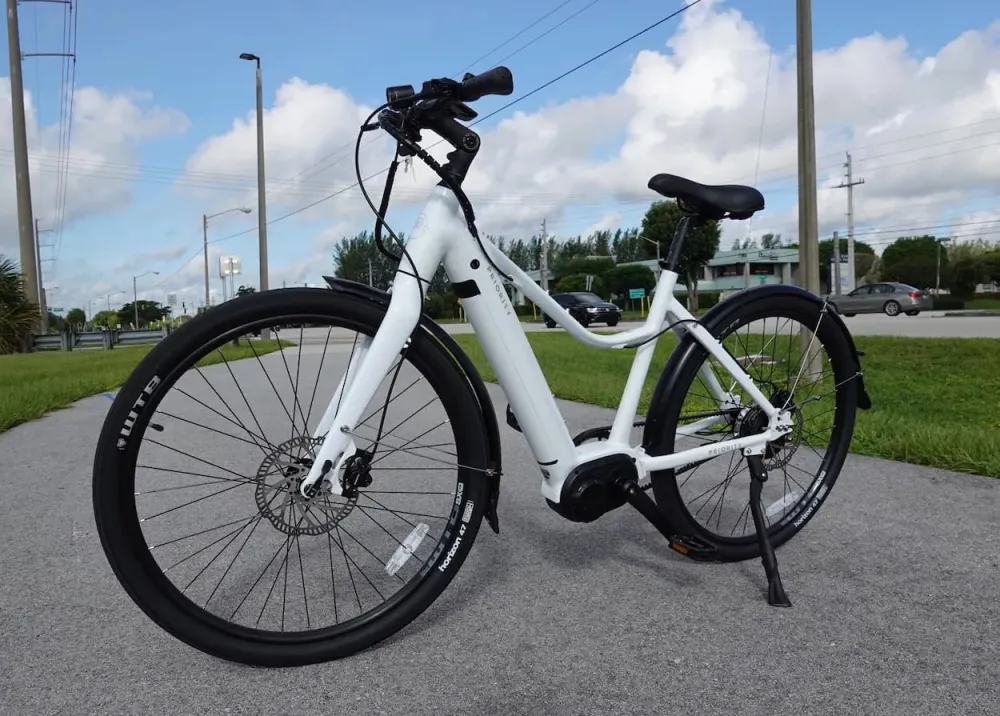
A commuter e-bike should combine efficiency, comfort, and durability. It must handle daily travel, stop-and-go traffic, and occasional hills without draining the battery quickly. Ideal bikes are lightweight enough to carry, stable for city streets, and equipped with safety features. Most modern commuter e-bikes offer pedal-assist systems that reduce physical effort while maintaining speed. Choosing the right model ensures stress-free, enjoyable rides.
Key Benefits of Using an Electric Bike for Daily Commutes
E-bikes save time by maintaining consistent speeds even in traffic. They reduce fatigue compared to traditional bikes, allowing riders to arrive fresh at work. Energy-efficient pedal-assist systems extend range while maintaining exercise benefits. Riders also benefit from cost savings on fuel or public transport. Many e-bikes include integrated lights, racks, and safety features to support urban commuting needs.
Why Commuters Should Consider an Ebike
Commuters face challenges like traffic congestion, limited parking, and long distances. E-bikes address these by offering speed, portability, and low maintenance. They help avoid delays while promoting eco-friendly travel. Additionally, ebikes reduce wear and tear on traditional vehicles and encourage healthier lifestyles. For city professionals, students, and regular commuters, a well-chosen e-bike can transform daily routines.
Factors to Consider When Choosing a Commuter Ebike
Selecting the right commuter e-bike requires understanding your daily needs, route challenges, and desired features. Consider battery capacity, motor power, comfort, and portability. Safety features, load capacity, and durability are equally important. Balancing these factors ensures a smooth ride without unexpected problems. A thoughtful choice saves money and ensures long-term satisfaction with your e-bike.
Battery Life and Riding Range
Battery life is crucial for daily commuting. Most commuter e-bikes provide 30–60 miles per charge. Riders should consider their route length, terrain, and how often they want to recharge. High-capacity batteries allow for longer commutes without interruption. Removable batteries add convenience for charging at home or office. Efficient battery management extends lifespan and ensures consistent performance.
Motor Power and Assistance Levels
Motor type affects speed, hill climbing, and overall performance. Mid-drive motors deliver strong torque for inclines, while hub motors are efficient for flat city routes. Pedal-assist modes let riders adjust assistance based on effort, terrain, or battery level. Understanding motor output ensures a bike meets your commuting needs. A balanced motor helps conserve battery while maintaining reliable speeds.
Comfort Features and Ergonomics
Long rides require comfortable seating, upright handlebars, and shock-absorbing components. Adjustable seats and grips reduce strain on back, wrists, and shoulders. Suspension forks or seat posts improve comfort over rough roads. Comfort features ensure enjoyable commutes even during heavy traffic or bumpy streets. Ergonomic designs also promote better posture and reduce fatigue over daily use.
Weight and Portability
Lightweight e-bikes are easier to carry up stairs, store in apartments, or transport on public transit. Commuters may need to lift or park bikes in tight spaces, so portability is key. Aluminum frames, compact motors, and smaller batteries help reduce overall weight. Balancing portability with durability ensures riders enjoy convenience without compromising stability or safety.
Types of Electric Bikes Suitable for Commuting
Different e-bike designs serve different commuting needs. Urban, folding, and hybrid e-bikes are among the most common for city use. The choice depends on distance, storage space, and terrain. Understanding types of e-bikes helps commuters select a bike that suits lifestyle, daily travel, and budget.
Urban/City Ebikes
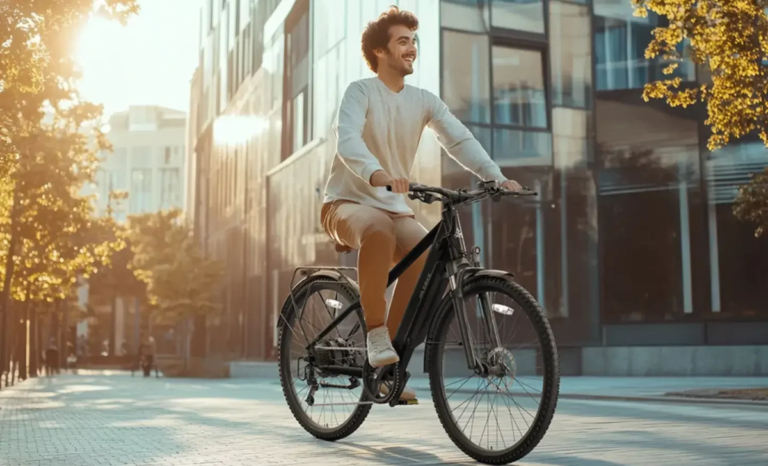
Urban e-bikes prioritize speed, efficiency, and lightness. They often have slim tires, integrated lighting, and rack systems for carrying work essentials. Designed for smooth roads, these bikes excel in traffic and city streets. Their sleek design ensures easy handling, while pedal-assist options reduce effort. Urban e-bikes are perfect for professionals and students with daily commutes under 20 miles.
Folding Ebikes for Easy Storage
Folding e-bikes are compact, lightweight, and portable. Ideal for commuters with limited storage or public transport integration. They can fit under desks, in car trunks, or small apartments. Folding bikes usually weigh slightly more than ultra-light city models but provide convenience unmatched by standard designs. Perfect for multi-modal commuting and urban dwellers.
Hybrid Ebikes for Mixed Terrain
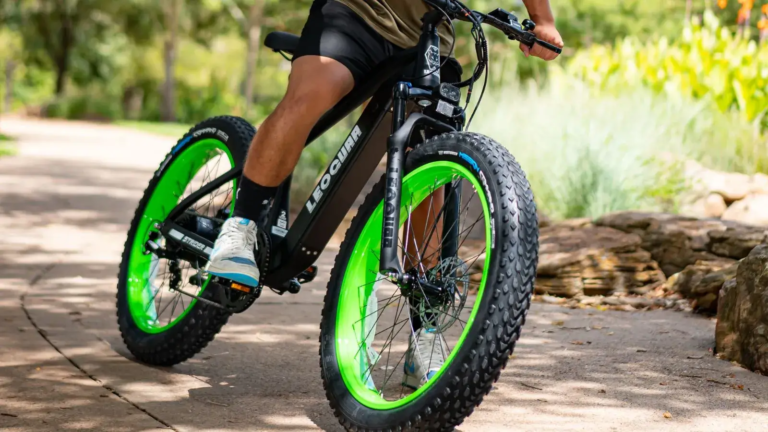
Hybrid commuter e-bikes combine urban and off-road features. Wider tires and suspension handle occasional gravel paths or uneven streets. They offer more comfort for longer commutes. Hybrid models provide versatility for riders who mix city streets with park trails or suburban roads. Their balanced design ensures smooth rides across different surfaces.
Performance and Speed Considerations
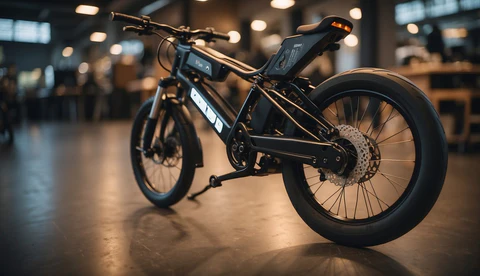
Performance affects commute efficiency and rider satisfaction. Reliable top speed, acceleration, and hill climbing are essential. Proper performance ensures riders arrive on time while conserving battery life. Understanding speed and power options allows for a safer and more enjoyable commute.
Top Speed for City Riding
Commuter ebikes typically reach 20–28 mph, enough for fast city travel without compromising safety. Speed settings often allow switching between assist modes for crowded or open roads. Consistent speed ensures timely arrivals, especially in morning or evening traffic. A reliable top speed reduces effort while maintaining control in urban environments.
Hill-Climbing and Torque Efficiency
Motor torque matters for uphill streets and bridges. Mid-drive motors provide superior hill performance, reducing strain and battery drain. Torque efficiency ensures consistent assistance during steep climbs. Proper gearing and motor tuning maintain smooth pedal-assist transitions. Riders experience confidence on inclines without losing speed or comfort.
Handling and Stability in Traffic
Good handling allows safe navigation through urban traffic, intersections, and crowded streets. Wider tires, stable frame geometry, and responsive brakes contribute to safety. Balanced weight distribution reduces tipping risk. Proper handling also improves maneuverability when stopping suddenly or avoiding obstacles. Stability ensures both safety and rider confidence.
How to Pick the Perfect E-Bike for Commuting
Consider the Commute Distance
How far is your commute? Check the e-bike’s range. Ensure the battery lasts the distance, with a bit to spare. Nobody likes running out of juice mid-journey!
Weigh Your Options
Think about the bike’s weight. Heavier bikes are sturdy but can be tough to carry. Lighter models are easier to lift but might feel less stable. Find your best balance.
Mind Your Budget
Set your budget and stick to it. E-bikes come in a range of prices. Higher cost doesn’t always mean better fit. Shop for value, not just the price tag.
Delve into Features
Gears, brakes, and tech – oh my! Look for features that suit your ride. Do hills make up your route? You’ll want gears that make climbing a breeze. Busy streets on the way? Go for top-notch brakes.
Stay Comfortable
Check the seat and handlebars. Comfort matters when you’re commuting. Make sure your ride feels good from start to finish.
Safety and Maintenance Tips for Commuter Ebikes
Safety Tips
- Wear a helmet and protective gear: Always use a certified helmet, reflective clothing, and gloves for maximum safety.
- Use lights and reflectors: Front and rear lights improve visibility, especially in low-light conditions or at night.
- Obey traffic rules: Follow local traffic laws, signals, and road signs to avoid accidents.
- Maintain safe distances: Keep distance from vehicles, pedestrians, and other cyclists.
- Be aware of surroundings: Watch for potholes, debris, and pedestrians to prevent sudden accidents.
Maintenance Tips
- Check brakes regularly: Ensure disc or hydraulic brakes are responsive and pads are not worn out.
- Inspect tires and tire pressure: Properly inflated tires improve grip, efficiency, and safety.
- Clean and lubricate chain: Keeps drivetrain smooth and prevents rust or wear.
- Battery care: Charge regularly, avoid overcharging, and store properly during long periods.
- Routine inspection: Check frame, suspension, and electrical components for damage or loose connections.
Top Commuter Electric Bike Models in 2026
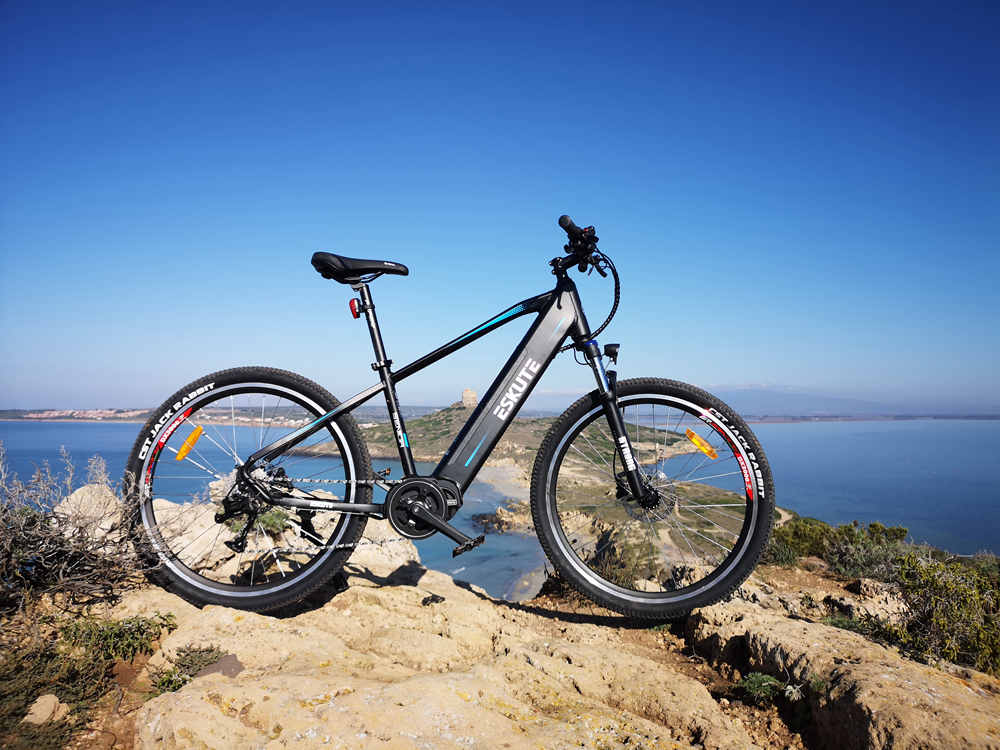
The 2026 e-bike market offers a variety of models designed for commuters. From budget-friendly options to premium performance bikes, riders can find the perfect fit. Each model balances speed, range, and comfort features. Brands now focus on efficiency, portability, and smart connectivity. Selecting the right model depends on budget, route, and personal preferences.
Affordable Entry-Level Models
Entry-level commuter e-bikes offer essential features at a lower cost. They typically have moderate-range batteries, basic pedal-assist, and lightweight frames. Ideal for students and casual riders. Despite lower price, quality and reliability are still prioritized. These models are excellent for short city commutes and first-time e-bike users.
Mid-Range Options with Advanced Features
Mid-range e-bikes provide enhanced battery range, better motors, and improved comfort features. Often include integrated lights, racks, and smartphone connectivity. Suitable for daily commuting of 15–40 miles. These bikes strike a balance between affordability and performance. They are popular among professionals and serious city riders.
Premium Commuter Ebikes
Premium models offer maximum range, advanced motors, and high-end components. Often feature lightweight frames, suspension systems, and advanced displays. Designed for longer commutes or hilly routes. These bikes cater to riders seeking performance, reliability, and comfort. Premium e-bikes justify their higher cost through durability and cutting-edge technology.
Pros and Cons of Using an Ebike for Commuting
E-bikes provide efficiency and convenience but come with considerations. Understanding both helps riders make informed decisions and select a bike suited to their needs. Knowing advantages and limitations prevents future frustrations and ensures a better commuting experience.
Advantages for Daily Riders
- Faster commuting with less physical effort
- Reduced reliance on cars or public transport
- Eco-friendly and cost-effective transportation
- Adjustable assistance for flexibility in riding
- Comfortable and ergonomically designed
Potential Limitations to Consider
- Higher initial purchase price compared to standard bikes
- Battery life limits long-distance commuting without charging
- Slightly heavier than traditional bicycles
- Maintenance for motor and electronics may be needed
- Weather can affect performance and comfort
Buying Guide – How to Choose the Best Commuter Ebike
Selecting the ideal commuter e-bike requires attention to range, motor power, comfort, and safety features. Test rides, warranty checks, and local dealer support help ensure the best investment. Consider daily distance, storage, and terrain for proper model selection. A thoughtful purchase ensures enjoyable and reliable daily commuting.
Price vs Features
Evaluate what features matter most: motor power, battery range, comfort, and connectivity. Balance price with long-term value. Higher-priced models often provide better durability, lighter weight, and advanced tech. Decide based on route requirements and personal preferences.
Warranty and After-Sales Support
A reliable warranty ensures peace of mind. Check coverage for motor, battery, and electronics. Access to local service centers reduces downtime. Strong after-sales support ensures long-term satisfaction and helps maintain bike performance.
Test Riding Tips
Test riding helps assess comfort, handling, and power delivery. Check for upright seating, pedal-assist responsiveness, and braking efficiency. Evaluate performance on hills, turns, and traffic conditions. A test ride is critical to determine suitability before purchase.
FAQ
1.What kind of bike is best for daily commute?
A lightweight, comfortable bike with reliable brakes, smooth tires, and upright seating is ideal. Commuter, hybrid, or electric bikes work best for city rides and short distances.
2.Which electric bike is best for daily use?
E-bikes with pedal-assist, moderate motor power, sufficient battery range, and comfortable ergonomics are ideal. Choose models suitable for city traffic, short stops, and frequent daily rides.
3.Which bike is best for daily commute?
Hybrid, commuter, or urban e-bikes are best. They balance comfort, speed, and portability while offering features like racks, lights, and suspension for everyday city travel.
4.Is an eBike good for commuting?
Yes, e-bikes reduce effort, save time, handle hills easily, and provide eco-friendly transportation. They are ideal for city commuters and daily travel without exhausting the rider.
5.What is the best e-bike for commuting?
The best commuting e-bike is lightweight, has a long battery range, reliable brakes, smooth handling, and comfortable seating. Pedal-assist and urban-friendly designs enhance daily commuting efficiency.
Conclusion
In conclusion, choosing the right electric bike for commuting combines comfort, battery range, motor efficiency, and safety features. A well-designed commuter e-bike saves time, reduces fatigue, and makes daily travel enjoyable. Whether you prefer hybrid, folding, or urban e-bikes, selecting a reliable model ensures convenience, eco-friendliness, and a smoother, stress-free ride every day.