
Why Ebikes Are a Better Choice for the Environment

Every day offers a new chance to make environmentally friendly decisions and enhance the condition of our world. An amazing development has been cruising our streets as we work to embrace greener practices and lessen our carbon footprints.
Have you ever seen those svelte bikes speeding through your community without making a scene or creating an exhaust cloud? Yes, we are referring to e-bikes, or electric bicycles. For good cause, they are swiftly rising to prominence as advocates for environmentally friendly transportation.
E-bikes offer efficiency, clean energy, and a ton of fun—the ideal fusion of technology and environmental consciousness. E-bikes are becoming popular among city people looking for alternatives to gas-guzzling cars and rural adventurers who wish to travel farther without getting tired.
Why Ebikes Are a Better Choice for the Environment – Overview
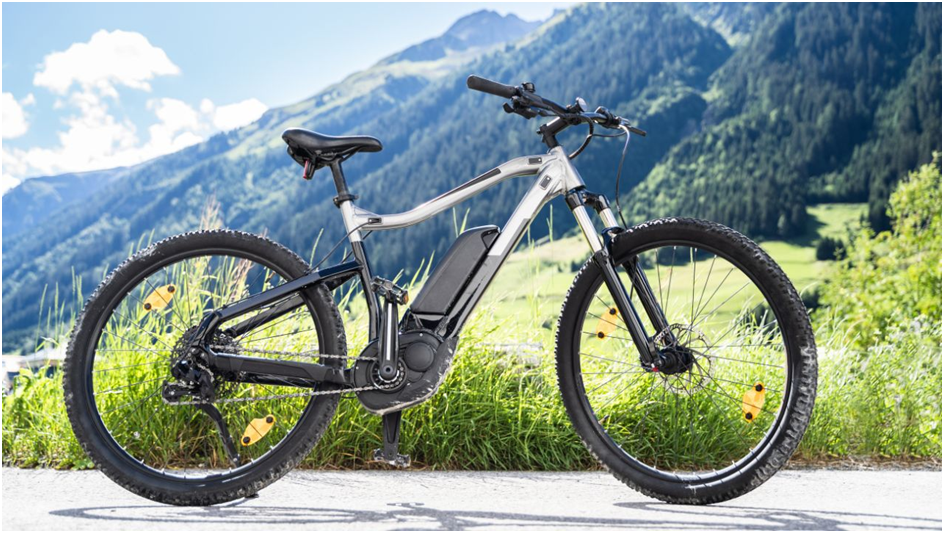
Ebikes combine efficiency, sustainability, and convenience into one package. By reducing emissions and energy consumption, they directly contribute to environmental preservation. They also offer a practical solution to traffic congestion, parking issues, and urban noise. For individuals seeking eco-conscious transportation, ebikes provide a balance of speed, comfort, and environmental responsibility. With their growing popularity, ebikes are shaping the future of cleaner, smarter commuting.
Understanding the Environmental Impact of Traditional Transport
Gas-powered cars and motorcycles contribute heavily to air pollution, greenhouse gas emissions, and climate change. Cities worldwide struggle with smog, noise, and traffic-related pollution. Conventional vehicles consume fossil fuels at high rates, which accelerates environmental degradation. By contrast, electric bikes operate on clean electricity, significantly lowering the overall ecological footprint. Transitioning to electric transport is a vital step toward sustainable urban living.
How Ebikes Contribute to Sustainable Mobility
Ebikes reduce dependence on traditional vehicles for short to medium trips. Their energy-efficient design allows riders to travel farther on less electricity. Additionally, pedal-assist features help maintain consistent energy usage while reducing fatigue. By choosing an ebike, commuters replace car trips that would otherwise contribute to traffic congestion and emissions, making city transportation greener.
The Shift from Fossil Fuels to Electric Power
Switching to electric mobility reduces fossil fuel demand and associated carbon emissions. Each ebike trip replaces car miles powered by gasoline or diesel, which contributes to cleaner air and less environmental harm. Using electricity from renewable sources enhances this benefit. The shift to ebikes is not just a personal choice but a collective action to slow climate change and promote energy efficiency.
The Environmental Impact of Traditional Vehicles
Ever considered the flip side of hopping into your gas-powered ride? While they’ve been getting us from point A to B for years, there’s a not-so-fun fact about them: they’re kind of environmental party poopers.
Every time we rev up those engines, we’re not just hitting the road; we’re also hitting our environment with some serious carbon vibes. That’s because these vehicles love fossil fuels a bit too much, turning them into carbon dioxide—a big-time climate change contributor.
And it’s not just about the global warming gig. Ever followed a bus and got a mouthful of smoky exhaust? Yep, that’s air pollution for you, and it’s coming straight from those traditional motoring buddies of ours, making our air less fresh and our cities smoggier.
E-Bikes – Your Eco-Friendly Ride

Meet the E-Bike
E-bikes are commute superheroes. They have a rechargeable battery that helps you pedal or ride without effort. They’re fast, efficient, and eco-friendly.
Choose How to Ride
E-bikes mix traditional biking with electric power. Pedal if you’re up for it; let the motor help when you’re not. It’s easy, fun, and emission-free.
Tiny Carbon Footsteps
E-bikes barely leave a carbon footprint. Charging them uses minimal electricity, much less than cars. With renewable energy, they’re even greener.
Superb Efficiency
E-bikes are energy misers. They need less power than what lights up a room. That means more green for the planet and your wallet.
E-Bike Benefits – Clean and Quiet
Less Gas, More Fresh Air
Swap your car for an e-bike. No gas means no harmful emissions. Enjoy cleaner air and a healthier planet.
Save Energy, Save Money
E-bikes are energy-efficient. They use just a bit of electricity. This keeps your bills low and saves energy.
Clear Skies Ahead
Hate smog? E-bikes help clear the air. They don’t add to pollution. This means cleaner air for everyone.
Quiet Rides
E-bikes are super quiet with no loud engines or honking. Enjoy peaceful rides and make your city quieter.E-bikes offer a simple way to make a big impact. They keep the air clean and the streets quiet. Plus, they’re good for your wallet and the planet.
Energy Efficiency of Ebikes Compared to Cars
Ebikes are far more energy-efficient than conventional vehicles. They require minimal electricity, allowing riders to cover longer distances with less energy than cars. This efficiency translates into lower environmental impact and cost savings over time. Urban commuters, in particular, benefit from using electricity instead of fossil fuels, reducing the carbon footprint of daily travel. Overall, ebikes represent an intelligent and eco-friendly transportation choice.
Lower Energy Consumption Per Mile
Ebikes consume significantly less energy per mile than gasoline-powered cars. The average electric bike requires less than a kilowatt-hour of electricity to travel 20–30 miles. This is far more efficient than cars, which burn gallons of fuel for the same distance. Lower energy consumption means fewer resources are extracted and less environmental damage occurs, making ebikes a greener choice.
Reduced Carbon Emissions
Using an ebike instead of a car reduces direct carbon emissions to zero while riding. Even accounting for electricity production, ebikes generate significantly fewer greenhouse gases compared to conventional transport. Over time, widespread adoption of ebikes can substantially reduce urban carbon footprints, helping cities meet climate targets and improve public health.
Cost Savings and Eco-Friendly Travel
Beyond environmental benefits, ebikes save money on fuel, parking, and vehicle maintenance. Reduced energy costs encourage more people to choose sustainable travel. Every mile ridden on an ebike is an investment in cleaner air, less traffic, and a healthier planet. This combination of environmental and financial savings makes them a practical choice for everyday commuting.
Benefits of Ebikes for Air Quality and Urban Areas
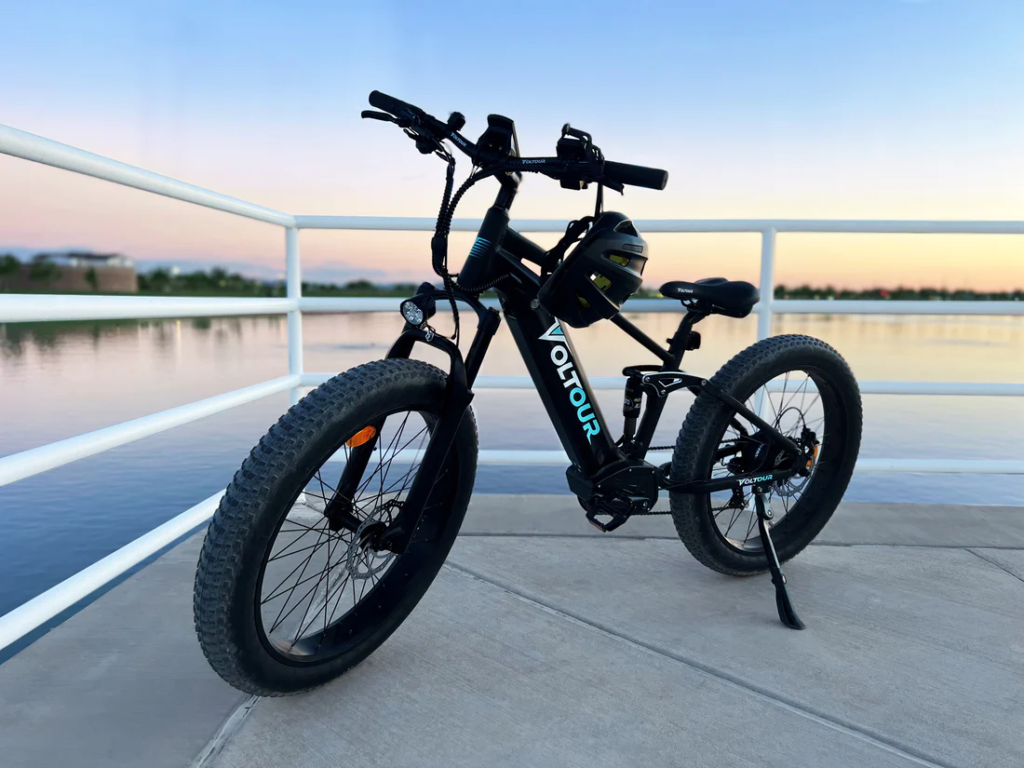
Ebikes improve urban air quality and promote quieter, healthier cities. By replacing car trips, they reduce harmful emissions such as nitrogen oxides and particulate matter. Their quiet motors decrease noise pollution, creating more pleasant public spaces. Over time, this contributes to safer, cleaner urban environments and supports sustainable urban planning initiatives.
Reduction in Air Pollution
Each ebike trip replaces car emissions, lowering levels of smog and harmful pollutants. Reduced air pollution improves public health by minimizing respiratory and cardiovascular issues. The cumulative effect of multiple commuters switching to ebikes can dramatically improve city air quality, making urban living healthier and more sustainable.
Noise Pollution Reduction
Unlike motor vehicles, ebikes operate almost silently. Reduced traffic noise enhances quality of life in busy cities, benefiting residents, pedestrians, and wildlife. Quieter streets encourage walking and cycling, contributing to a more livable and environmentally friendly urban landscape.
Supporting Cleaner Cities
Widespread ebike adoption helps cities meet climate and air quality goals. They reduce reliance on fossil fuels, lower greenhouse gas emissions, and improve public spaces. Clean, safe streets encourage sustainable commuting habits and can reduce the overall environmental footprint of urban areas.
Improved Public Health from Less Pollution
Cleaner air leads to healthier populations. By lowering vehicle emissions, ebikes help prevent pollution-related health issues. Encouraging active commuting also promotes physical fitness, reducing obesity and related diseases. Ebikes therefore benefit both the environment and public health simultaneously.
Lifecycle and Sustainability of Ebikes
Ebikes are designed with durability and sustainability in mind. High-quality materials extend their lifespan, reducing waste. Components are often recyclable, including batteries and metals, further decreasing environmental impact. Compared to cars, which have short life cycles and high production emissions, ebikes are significantly more sustainable over their lifetime.
Longer Lifespan and Durable Components
A well-maintained ebike can last for many years, making it a sustainable investment. Strong frames and quality components minimize replacements, reducing manufacturing demand. Durable designs ensure less waste while promoting long-term usage, further benefiting the environment.
Recyclability of Batteries and Parts
Modern ebike batteries are recyclable, and many parts can be reused or repurposed. Proper recycling practices prevent toxic materials from harming ecosystems. Responsible disposal and recycling amplify the environmental benefits of ebikes over their entire lifecycle.
Low Maintenance and Waste Reduction
Ebikes require minimal maintenance compared to cars. Less frequent part replacements and reduced mechanical wear decrease waste generation. Efficient design reduces environmental strain while providing reliable, long-term transportation.
Encouraging a Greener Lifestyle with Ebikes
Using an ebike supports environmentally conscious choices in daily life. By reducing car trips, individuals lower their personal carbon footprint. Ebikes also encourage physical activity, which promotes overall well-being. Incorporating ebikes into regular travel habits contributes to long-term sustainable living practices and fosters a greener mindset.
Reducing Dependence on Fossil Fuels
Every ebike trip reduces fuel consumption and greenhouse gas emissions. Over time, consistent use can significantly lower household or city-wide fossil fuel usage. This makes ebikes a practical solution for reducing environmental dependence on non-renewable resources.
Promoting Healthier, Active Commuting
Pedal-assist features encourage physical activity without causing fatigue. Riders benefit from cardiovascular exercise while traveling efficiently. Active commuting contributes to personal health, reducing reliance on sedentary car travel and enhancing the sustainability of urban mobility.
Inspiring Sustainable Transportation Habits
Regular ebike use motivates people to adopt greener habits beyond commuting, such as walking, public transit use, and carpooling. This ripple effect fosters an environmentally conscious community and a culture of sustainable mobility.
Choosing the Right Ebike for Maximum Environmental Benefit
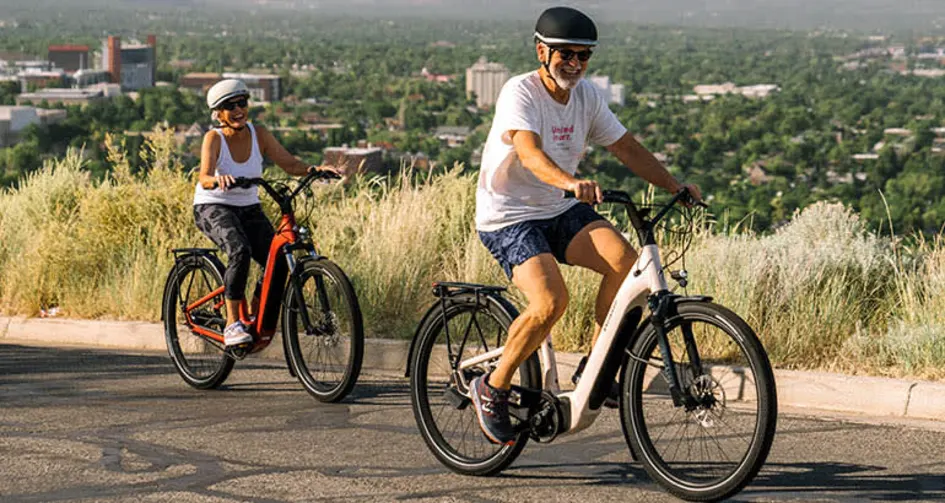
Not all ebikes are equal in terms of environmental impact. Factors such as battery efficiency, motor design, and riding habits influence sustainability. Selecting a bike optimized for energy use and minimizing unnecessary weight maximizes environmental benefits. Smart choices help riders get the most eco-friendly commuting experience.
Selecting Efficient Motors and Batteries
Opt for high-efficiency motors that provide sufficient power without excess energy consumption. Choose long-lasting batteries with low environmental impact. Energy-efficient components reduce electricity usage while ensuring consistent performance.
Optimal Usage Tips to Reduce Environmental Impact
Ride in pedal-assist mode to conserve battery and energy. Charge batteries using renewable energy when possible. Avoid excessive acceleration and heavy loads to minimize energy waste. These practices ensure that each ride remains eco-friendly.
Balancing Performance with Eco-Friendly Design
Lightweight frames, durable tires, and efficient electronics optimize performance while reducing environmental costs. Selecting the right combination of design, power, and usage maximizes sustainability and commuting efficiency.
The Future of Sustainable Commuting with Ebikes
The future of sustainable commuting is closely tied to the rise of ebikes, which offer eco-friendly, efficient, and cost-effective transportation. Cities are increasingly investing in bike lanes, smart charging stations, and green infrastructure to support electric commuting. Advances in battery technology, lightweight designs, and energy-efficient motors will make ebikes even more practical.
Integration with public transit and urban planning will reduce congestion, pollution, and reliance on fossil fuels. As more people adopt ebikes, they will play a crucial role in cleaner, healthier, and smarter cities worldwide. Sustainable commuting is no longer just an option, it’s becoming the standard.
FAQ
1.Why are e-bikes better for the environment?
E-bikes reduce greenhouse gas emissions, consume less energy than cars, produce no direct pollution, and help lower traffic congestion, making them a cleaner and sustainable transportation option.
2.What are the environmental benefits of electric vehicles?
Electric vehicles lower carbon emissions, reduce air pollution, consume less fossil fuel, and promote cleaner cities. They support renewable energy integration and decrease environmental damage compared to traditional vehicles.
3.Are lithium batteries worse for the environment than gas?
Lithium batteries have environmental impacts during mining and disposal, but overall they produce far fewer emissions than gasoline engines and are reusable and recyclable, making them greener long-term.
4.What are the benefits of e-bikes?
E-bikes save energy, reduce pollution, lower commuting costs, improve physical health, and provide convenient, quiet, and efficient transport for city and short-distance travel.
5.What are the pros and cons of electric bikes?
Pros: Eco-friendly, energy-efficient, reduces commuting fatigue, and cost-effective. Cons: Higher upfront cost, battery life limits, heavier than standard bikes, and requires charging and occasional maintenance.
Conclusion
In conclusion, e-bikes offer a sustainable, eco-friendly alternative to traditional vehicles. They reduce greenhouse gas emissions, lower energy consumption, and promote cleaner, quieter cities. By encouraging active commuting and reducing reliance on fossil fuels, e-bikes support a greener lifestyle, healthier communities, and a more sustainable future for urban transportation worldwide.