What is the Lightest Ebike?

Electric bikes are evolving fast, and one of the biggest trends today is lightweight design. Many riders now ask a simple but important question: What is the lightest ebike? A lighter bike is easier to carry, smoother to ride, and perfect for city life. Whether you commute daily, live in an apartment, or want a hassle-free electric ride, lightweight ebikes are changing how people move. This guide explains everything you need to know before choosing the lightest ebike.
What Does “Lightest Ebike” Mean?
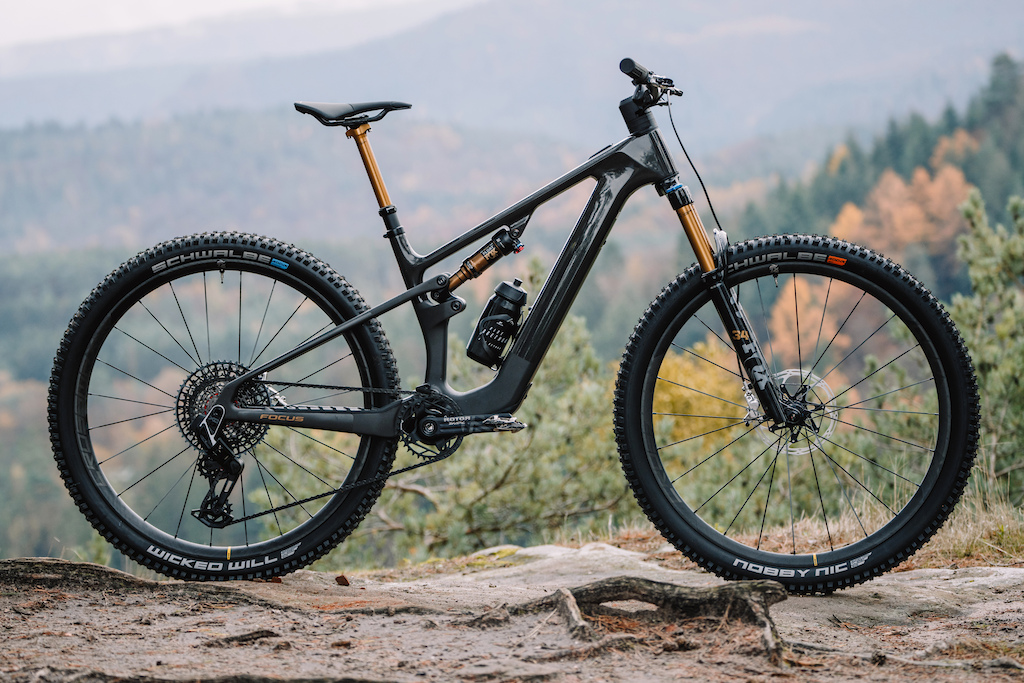
A lightest ebike refers to an electric bicycle designed with minimal weight while still offering motor assistance and battery power. Unlike traditional ebikes that can weigh 25–35 kg, lightweight models usually fall between 12–18 kg. These bikes focus on smart engineering, compact motors, and slim batteries. The goal is to maintain electric assistance without making the bike bulky or hard to handle. Lightweight ebikes feel closer to regular bicycles but give you that extra push when needed. This balance makes them ideal for modern urban riders.
How Much Does the Lightest Ebike Weigh?
The weight of the lightest ebike depends on its design and components. Most lightweight ebikes weigh between 12 kg and 18 kg, while ultralight premium models can go even lower. Carbon-frame ebikes often sit at the lower end of the spectrum. Entry-level lightweight ebikes are slightly heavier but still much easier to lift than standard electric bikes. Weight also depends on battery capacity and motor type. Choosing the right weight means balancing performance, range, and portability.
The Negative Side of Choosing a Lightweight Ebike
There is a negative side regarding choosing a lightweight e-bike, knowing which might be beneficial for our readers, in case they want to buy a lightweight e-bike. Some of them are listed below.
1. Limitations Regarding Power and Range
The negative side of choosing a lightweight e-bike is that these e-bikes use lightweight batteries with limited charging capacities. Therefore a lightweight battery implies that the e-bike would travel a lesser distance within a single charge, as compared to a heavier battery.
2. Durability
Lightweight e-bikes have lesser durability and useful life as they make use of lighter material that has an unlimited useful life for Mechanical Fatigue (i.e. cyclic loading).
3. Economics
Lightweight bikes often make use of special materials in order to reduce the weight of the bike. For example, Carbon fiber-reinforced composite materials or aluminum etc. The use of such materials may increase the cost of an e-bike as compared to its peers.
Why Does Ebike Weight Matter?
Ebike weight directly affects comfort, convenience, and usability. A lighter ebike is easier to carry upstairs, store in small spaces, or load into a car. It also offers better control, especially in traffic or tight urban areas. Lightweight bikes feel more responsive and natural while riding. For commuters who mix cycling with public transport, weight becomes even more important. In short, a lighter ebike makes everyday riding simpler and less tiring.
Who Should Choose the Lightest Ebike?
Lightweight ebikes are perfect for urban commuters who ride daily in city environments. Students and office workers benefit from easy handling and quick parking. Seniors and beginner riders appreciate the better balance and reduced strain. Female riders often prefer lighter frames for comfort and control. If you live in an apartment or frequently carry your bike, a lightweight ebike is a smart choice. These bikes are built for convenience, not heavy off-road use.
Key Factors That Determine an Ebike’s Weight
Frame Material and Design
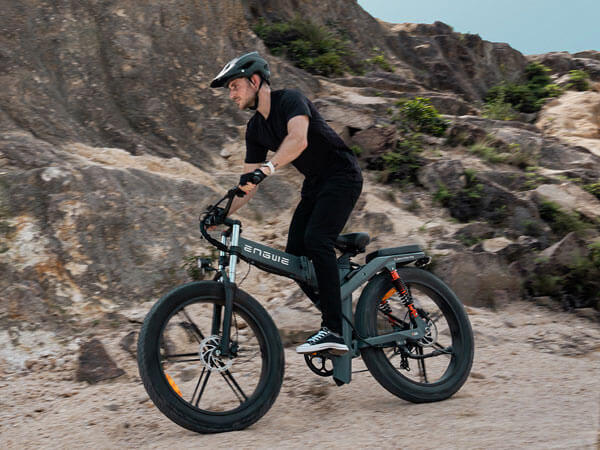
The frame plays a major role in ebike weight. Aluminum alloy frames are common because they are light, strong, and affordable. Carbon fiber frames are even lighter and offer excellent vibration absorption, but they cost more. Frame geometry also affects weight distribution and riding feel. Slim, minimalist designs reduce unnecessary bulk. Choosing the right frame material is key to achieving a lightweight build without sacrificing durability.
Battery Size and Technology
Battery weight can significantly impact the overall weight of an ebike. Lightweight ebikes use smaller, high-efficiency lithium-ion batteries. These batteries are designed to deliver enough range for daily commuting without adding excess mass. Integrated batteries improve balance and aesthetics. Removable batteries add convenience but may increase weight slightly. Modern battery technology helps reduce weight while maintaining performance.
Motor Type and Placement
Motor choice affects both weight and ride quality. Hub motors are simpler and lighter but usually offer lower torque. Mid-drive motors provide better performance but can add extra weight. Lightweight ebikes often use compact rear hub motors optimized for efficiency. Motor placement also affects balance and handling. The goal is to achieve smooth assistance without making the bike feel heavy.
Lightest Ebike vs Folding Ebike
Lightweight ebikes and folding ebikes are often compared, but they serve different needs. Folding ebikes focus on compact storage rather than minimal weight. Some folding models are still quite heavy due to hinges and reinforced frames. Lightweight ebikes may not fold but are easier to carry overall. For daily city rides, a lightweight ebike offers better ride quality. Folding ebikes are better for multi-modal travel with limited storage space.
Performance of the Lightest Ebike
Despite their low weight, lightweight ebikes deliver solid performance. Most offer assisted speeds of up to 25 mph, depending on local regulations. The riding range usually falls between 30–60 miles per charge. These bikes perform best on flat roads and gentle hills. While they may not be ideal for extreme off-road riding, they excel in urban environments. Performance is optimized for efficiency rather than raw power.
Lightest Ebike vs Traditional Bicycle
A lightweight ebike feels similar to a traditional bicycle but with added electric support. You can ride longer distances with less effort and arrive less tired. Maintenance is slightly higher due to electrical components, but modern ebikes are reliable. Traditional bikes are cheaper, but ebikes save time and energy. For daily commuting, the lightest ebike offers a perfect balance between fitness and convenience.
New Generation Ultralight Ebikes (2026 Trends)
In 2026, ultralight ebikes are evolving beyond just being lighter; they now combine advanced materials, smarter batteries, and innovative tech for better performance. Manufacturers are using carbon fiber, magnesium, and refined aluminum to reduce overall weight while improving strength and ride quality.
Battery tech is also advancing, offering higher energy density and faster charging without bulky packs, which keeps the weight down. Additionally, smart features like AI-assisted battery management, connectivity, and intuitive ride modes are becoming more common, enhancing the riding experience. These trends make 2026 ultralight ebikes ideal for everyday commuting, urban mobility, and weekend adventures with improved efficiency and convenience.
Latest Carbon Frame Lightest Ebike Models
Carbon frame ebikes are redefining lightweight performance. These bikes offer excellent strength-to-weight ratios and smooth ride quality. Carbon absorbs road vibrations better than metal frames. Many premium brands now offer carbon lightweight ebikes under 15 kg. Although expensive, they deliver top-level performance and style. These models are ideal for riders who want the lightest possible electric bike.
Newly Launched Minimalist City Ebikes
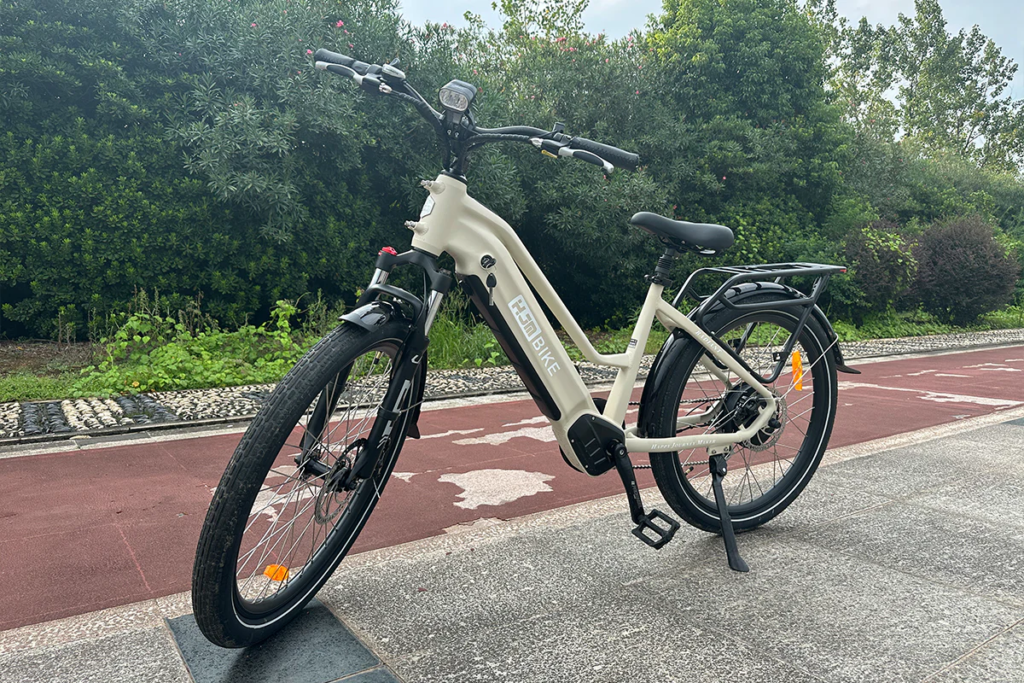
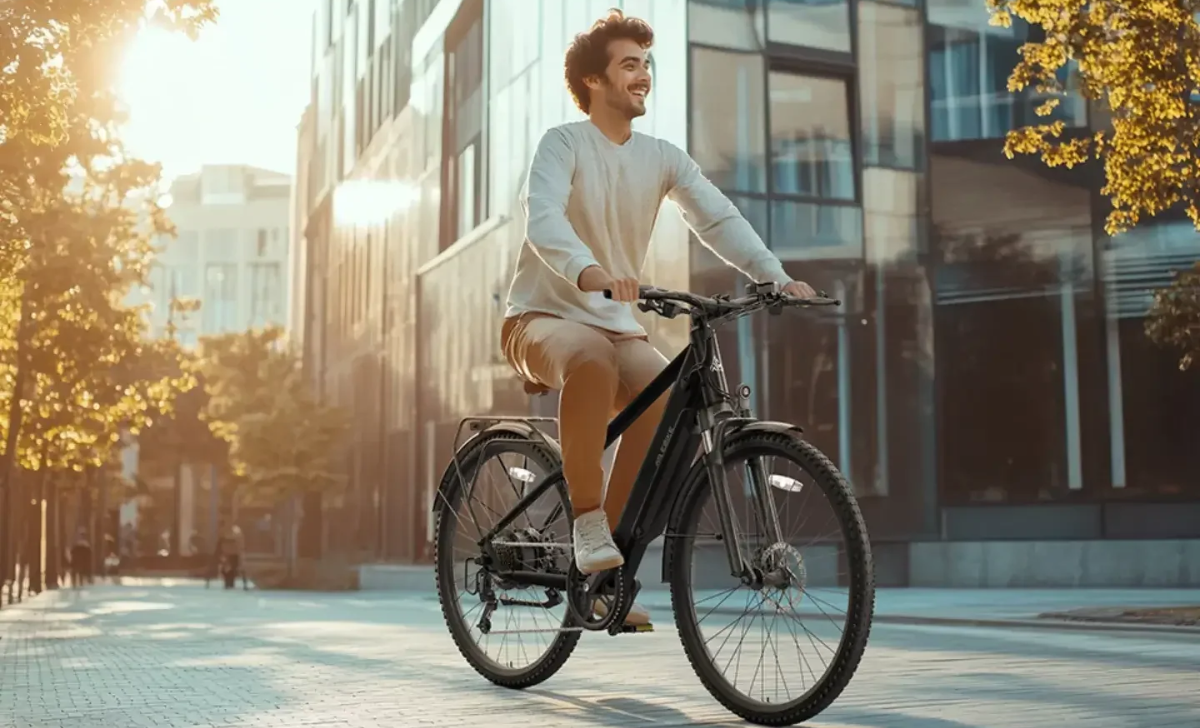
Minimalist city ebikes focus on simplicity and elegance. They feature clean lines, hidden cables, and compact components. These bikes are designed for short daily commutes and urban travel. Reduced features help lower overall weight. Minimalist ebikes are easy to maintain and visually appealing. They are perfect for riders who value simplicity over complex technology.
What to Look for When Buying the Lightest Ebike
When choosing a lightweight ebike, focus on weight-to-power balance. Comfort and riding position are equally important. Check battery range based on your daily needs. Consider brand reputation and after-sales support. Always test ride if possible. A well-balanced lightweight ebike should feel natural, stable, and easy to control.
Price Range of the Lightest Ebike
Lightweight ebikes come in various price ranges. Budget models start around affordable entry-level pricing but may weigh slightly more. Mid-range ebikes offer better components and lighter frames. Premium ultralight ebikes use carbon frames and advanced technology. Higher prices usually mean lower weight and better ride quality. Choose based on your usage, not just the price tag.
Pros and Cons of the Lightest Ebike
Pros of the Lightest Ebike
- Easy to Carry: Can be lifted and transported easily, perfect for apartments or public transport.
- Better Handling: Lightweight design improves maneuverability and balance.
- Energy Efficient: Requires less battery power to move, extending range per charge.
- Convenient Storage: Fits in small spaces or bike racks without hassle.
- Ideal for Urban Commutes: Quick and responsive for city riding.
- Less Fatigue: Easier to ride manually when battery runs out.
Cons of the Lightest Ebike
- Limited Battery Capacity: Smaller batteries may reduce overall range.
- Less Powerful: May struggle on steep hills compared to heavier, more robust ebikes.
- Lower Load Capacity: Not ideal for carrying heavy cargo or passengers.
- Premium Pricing: Ultralight models, especially carbon-frame ones, can be expensive.
- Durability Concerns: Some lightweight materials may be less impact-resistant than heavier alloys.
Is the Lightest Ebike Suitable for Long Rides?
The lightest ebike works well for daily commuting and moderate distances. For very long rides, battery range becomes important. Some riders may need to recharge during the day. Comfort also depends on saddle and riding posture. These bikes are best for efficiency rather than endurance touring. Still, they are excellent for most urban and lifestyle needs.
Top Lightweight Ebike Models (2026)
- Gocycle G4i
- Specialized Turbo Vado SL
- Trek Super Commuter+ 8S
- Cannondale Quick Neo SL
- Orbea Gain M30
- Brompton Electric (2026 Version)
- Lectric XP 3.0 (Lightweight Variant)
- Cowboy 4 (Carbon Version)
- Fuji E-Jet 1.1
- Riese & Müller Roadster Touring (Weight-Optimized)
FAQ
1. What’s the best e-bike for seniors?
A low‑step, lightweight, comfortable e‑bike with pedal‑assist, reliable brakes, and wide saddle is ideal. Choose models with easy controls and good warranty for safe, enjoyable riding.
2. What to avoid when buying an electric bike?
Avoid heavy bikes, low‑quality components, unclear warranties, poor customer support, and oversized batteries you don’t need. Don’t compromise safety and fit for flashy features.
3. How much does a lightweight ebike weigh?
Most lightweight ebikes weigh between 12–18 kg (26–40 lbs), with premium carbon models sometimes weighing even less, depending on motor, battery, and frame materials.
4. What is the most comfortable bike for seniors over 60?
Comfortable bikes for seniors have upright geometry, suspension seat posts, wide tires, step‑through frames, and adjustable handlebars to reduce strain on back and joints.
5. Does Medicare pay for ebikes for seniors?
Medicare typically does not cover e‑bikes, as they’re considered recreational equipment. Some insurance plans or health programs may offer partial reimbursement in select cases.
Final Verdict
If convenience, portability, and comfort matter to you, the lightest ebike is absolutely worth buying. It combines the feel of a regular bicycle with electric assistance. Lightweight ebikes fit perfectly into modern city life. They save time, reduce effort, and make commuting enjoyable. For urban riders, they are one of the smartest mobility choices today.